


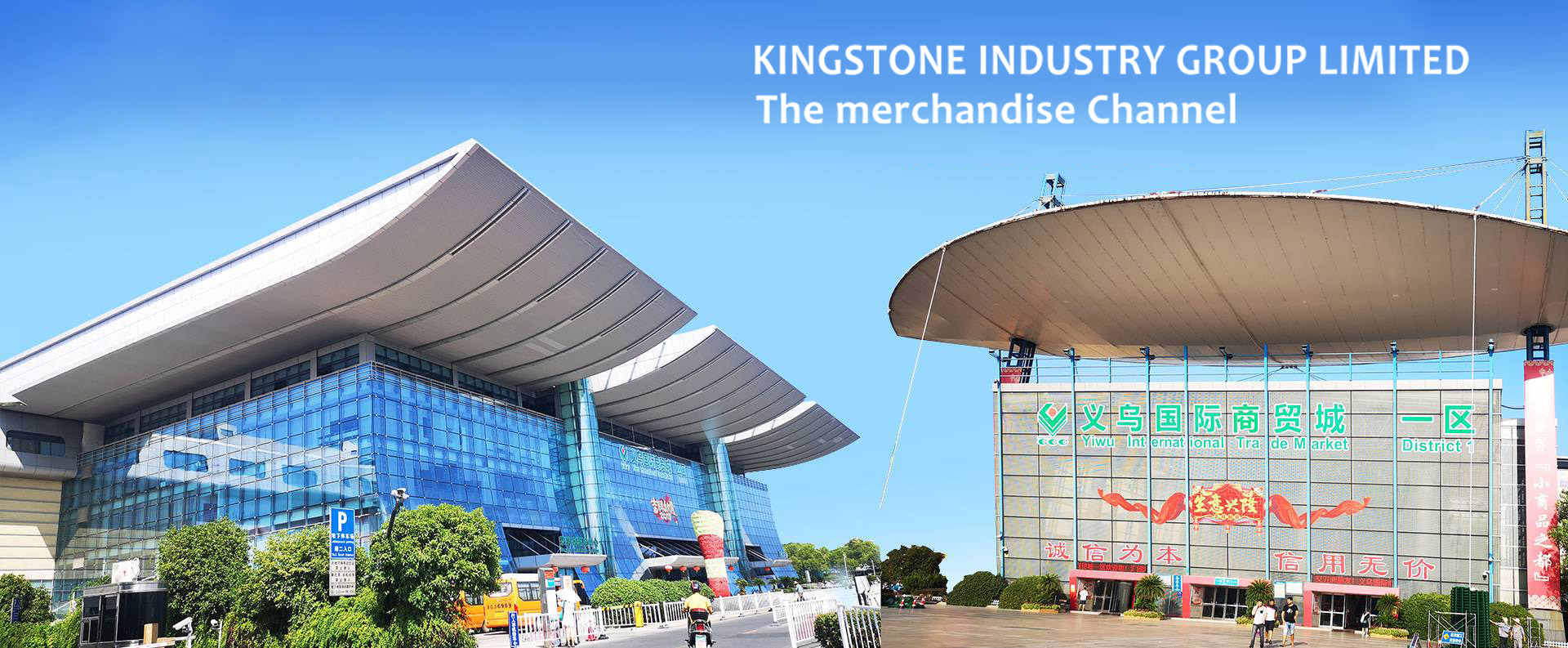
Purchase Outsourcing: Partner with China Manufacturers for Efficiency
As a B2B purchaser, I understand the importance of finding the right partners to streamline operations. That's why I turned to purchase outsourcing in China, where I found reliable manufacturers who can meet my specific needs. The quality of products is often remarkable, and the cost savings are significant. By leveraging local expertise and connections, we can navigate the complexities of sourcing efficiently. This not only saves time but also reduces the headaches that typically come with sourcing globally. From textiles to electronics, I've built relationships with manufacturers who truly understand my expectations. If you’re aiming for high-quality goods without breaking the bank, then I highly recommend considering purchase outsourcing. It's allowed me to focus on core business areas while trusting reputable manufacturers in China to deliver on time and to standard. Let’s take your procurement process to the next level!


Purchase Outsourcing Industry Leaders Now Trending
In today’s fast-paced global marketplace, the trend of outsourcing purchasing has gained significant momentum, driven by the need for businesses to optimize costs and focus on core competencies. Industry leaders in this space are now embracing innovative strategies and technologies to enhance efficiency and flexibility in their procurement processes. By leveraging the expertise of specialized partners, companies can tap into a wealth of resources that streamline operations, reduce overhead costs, and improve product quality. Purchasing outsourcing not only allows businesses to reduce costs but also enables them to access a broader range of products and services. With an ever-increasing demand for sustainability and transparency, leading firms are adopting ethical sourcing measures and building resilient supply chains that can withstand market fluctuations. This evolution is transforming the role of procurement from a mere transactional function into a strategic driver of growth, providing companies with a competitive edge in their respective industries. As the landscape evolves, it is crucial for global buyers to stay informed about the emerging trends and methodologies within the outsourcing sector. By partnering with industry experts who understand the intricacies of global supply chains, businesses can position themselves for success in an increasingly competitive environment. Embracing these changes will not only enhance procurement strategies but also foster innovation and drive long-term business sustainability.
Purchase Outsourcing Industry Leaders Now Trending
| Rank | Company Type | Annual Revenue (USD) | Number of Employees | Country | Industry Focus |
|---|---|---|---|---|---|
| 1 | Consulting Firm | $500 million | 1200 | USA | IT Services |
| 2 | Business Process Outsourcing | $300 million | 800 | India | Customer Support |
| 3 | Manufacturing Outsourcing | $450 million | 1000 | China | Electronics |
| 4 | Logistics Services | $600 million | 1500 | Germany | Transportation |
| 5 | Retail Outsourcing | $200 million | 300 | UK | Retail |
Related Products





Purchase Outsourcing Pioneers in the Field Where Innovation Meets 2025
Top Selling Products



- Related Blog
- Reviews
